Roman aristocracy

Definition and stakes

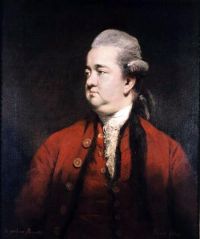
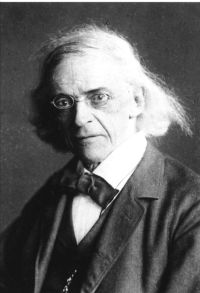
Portrait of John Stuart Blackie John Stuart Blackie,  What Does History Teach?

“ I have enlarged on the development and decay of the Roman republic, not only because in point of political achievement Rome is by far the most notable of the great States of the world, but because in the struggle between aristocracy and democracy which was the salient feature of its history from the expulsion of the kings to the battle of Actium, it presents a very close and instructive parallel to what has been going on amongst ourselves from the revolution settlement of 1688 to the present hour. ”
Source: Gutenberg

John Lord,  Beacon Lights of History, Volume 03…

“ The constitution was essentially aristocratic, and the aristocracy was based on wealth. Power was in the hands of nobles, whether their ancestors were patricians or plebeians, although in the early ages of the Republic they were mostly patricians by birth. But with the growth of Rome new families that were not descended from the ancient tribes became prominent,--like the Claudii, the Julii, and the Servilii,--and were incorporated with the nobility. There are very few names in Roman history before the time of Marius which did not belong to this noble class. ”
Source: Gutenberg

Get perspective with Kwize: daily news enlightened by great literature