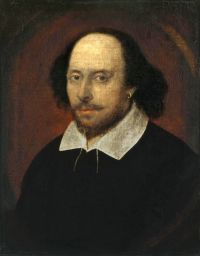
A commoner, historically, refers to an ordinary individual without noble or aristocratic rank, making up the majority of a society’s population. From ancient Rome’s plebeians to medieval Europe’s third estate, commoners were frequently excluded from political and social privileges. Authors like Shakespeare imagined an ideal society where commoners surpassed hierarchical barriers, while Sullivan classified them into gentry and lower classes, revealing ongoing divisions.
Heath emphasized their legal exclusion, and Brinkley questioned their status after death. The idea has transformed from fixed estate systems to contemporary social class structures, demonstrating changing power dynamics and the continuing conflict between elite and common interests.