Romanesque architecture

Definition and stakes

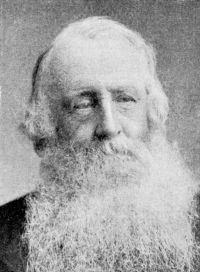
Portrait of Charles Godfrey Leland Charles Godfrey Leland,  Memoirs

“ The age which produced the Romanesque architecture, whether in northern Italy, along the Rhine as the Lombard, or in France and England as Norman, was extremely barbarous, bloody, and illiterate; and yet in the noblest and grandest conceptions of architectural art it surpassed all the genius of this our time as the sun surpasses a star. While we know that man has advanced, it still remains true that the history of architecture alone for the past thousand years indicates a steady retrogression and decay in art, and this constitutes the stupendous paradox to which I have alluded. ”
Source: Gutenberg

Charles Herbert Moore,  Development and Character of Gothic Architecture (1890)

“ The inert principle of construction, the massive walls, the small apertures, and the horizontal lines of the Romanesque architecture make it still closely akin to the old Roman style. But there are rudiments in it already quickening with latent life, which will completely transform the Romanesque building. The evolution of the Gothic system consisted in gradually perfecting the rudimentary skeleton, so as to make it an independent structure. To every part a complete and independent working efficiency was to be given, and an appropriate artistic, as well as a mechanical value. ”
Source: Wikisource

Get perspective with Kwize: daily news enlightened by great literature