Royal African Company

Definition and stakes

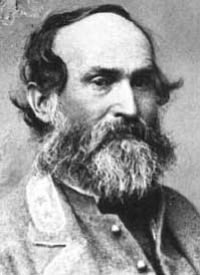
Portrait of Jubal Anderson Early Jubal Anderson Early,  The Heritage of The South

“ In this company Queen Anne and the King of Spain became stockholders, as did a large portion of the nobility, gentry, churchmen, and merchants of England. England thus sought a monopoly of the entire slave trade, at least so far as her own and the Spanish colonies were concerned. The exclusive privileges granted to the Royal African Company having expired, in the year 1750 the British Government undertook to maintain the forts and factories on the African coast at its own expense, and the slave trade was thrown open to free competition on the part of its citizens. ”
Source: Gutenberg

Thomas Carney,  Considerations on the present peace… (1763)

“ If they are not permitted to re-establish that factory, and the trade of Gambia and Senegal rivers are pursued in a proper manner, Goree will be of no consequence, but an expence to France, for many good reasons we think it improper at present to enlarge upon; knowing there is a work in hand that will soon be published, wherein all the advantages of the African trade are fully considered from the time LETTERS PATENT were granted by king Charles the second, the 27th day of September, 1672, to establish and incorporate the late royal African company of England ”
Source: Gutenberg

Le Roy Hooker,  The Africanders (1900)

“ The next step in working out the policy of the British in South Africa was the granting of a royal charter to a corporation known as the British South African Company, formed to develop this eastern and undefined region of Lo Bengula’s territory. Mr. Cecil Rhodes was conspicuous as the leader in this movement. The purpose of the company was twofold: To develop [186] the gold fields supposed to exist there, and to forestall the Transvaal Africanders in taking possession of the country. ”
Source: Gutenberg

Get perspective with Kwize: daily news enlightened by great literature