Sack of Rome

Definition and stakes

Baron George Gordon Byron Byron,  The Works of Lord Byron. Vol. 5

“ The Sack of Rome was a great national calamity, and it was something more: it was a profanation and a sacrilege. The literature which it evoked was a cry of anguish, a prophetic burden of despair. "Chants populaires," writes M. Emile Gebhart (De l'Italie, "Le Sac de Rome en 1527," 1876, pp. 267, sq.) , "Nouvelles de Giraldi Cintio, en forme de Décaméron ... récits historiques ... de César Grollier, Dialogues anonymes ... poésies de Pasquin, toute une littérature se developpa sur ce thème douloureux.... ”
Source: Gutenberg

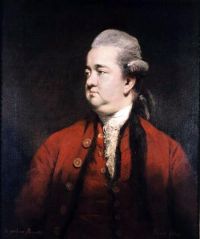
Portrait of James Anthony Froude James Anthony Froude,  The Divorce of Catherine of Aragon

“ The sack of Rome must be regarded as a visitation from God, who permits his servant the Emperor to teach his Vicar on earth and other Christian princes that their wicked purposes shall be defeated, the unjust wars which they have raised shall cease, peace be restored to Christendom, the faith be exalted, and heresy extirpated.... ”
Source: Gutenberg

John Lord,  The Old Roman World : the Grandeur and Failure of Its Civilization

“ The real drama of the fall of Rome closes with the second sack of the city by the Vandals, since the imperial power was nearly prostrated in the West, and shut up within the walls of Ravenna. But Italy was the scene of great disasters for twenty years after, until the last of the emperors—Augustulus Romulus; what a name with which to close the series of Roman emperors!—was dethroned by Odoacer, chief of the Heruli, a Scythian tribe, and Rome was again stormed and sacked, A.D. 476. ”
Source: Gutenberg

Get perspective with Kwize: daily news enlightened by great literature