Salvat

Definition and stakes

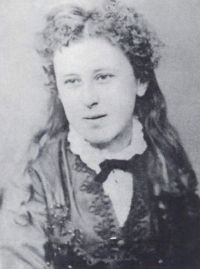
Portrait of Émile Zola Émile Zola,  The Three Cities Trilogy: Paris…

“ With one of his fists raised towards the ceiling, Salvat seemed to be protesting against the abomination of a world and a Providence that allowed old toilers to die of hunger just like broken-down beasts. However, he did not speak, but relapsed into the savage, heavy silence, the bitter meditation in which he had been plunged when the priest arrived. He was a journeyman engineer, and gazed obstinately at the table where lay his little leather tool-bag, bulging with something it contained—something, perhaps, which he had to take back to a work-shop. ”
Source: Gutenberg

Portrait of Émile Zola Émile Zola,  The Three Cities Trilogy: Paris…

“ Then the thought of Laveuve, who had perished up there like a stray dog, came back to Pierre. And he shuddered when, on the top landing, he knocked at Salvat’s door, and profound silence alone answered him. Not a breath was to be heard.
However, he knocked again, and as nothing stirred he began to think that nobody could be there. Perhaps Salvat had returned to fetch the woman and the child, and perhaps they had followed him to some humble nook abroad. Still this would have astonished him; for the poor seldom quit their homes, but die where they have suffered.
”
Source: Gutenberg

Portrait of Émile Zola Émile Zola,  The Three Cities Trilogy: Paris…

“ Victor went up towards Montmartre, whilst Salvat hesitated like a man who is consulting destiny. Then, as if trusting himself to stern chance, drawing up his thin figure, the figure of a weary, hungry toiler, he turned into the Rue Marcadet, and walked towards Paris, his tool-bag still under his arm.
For an instant Pierre felt a desire to run and call to him that his little girl wished him to go back again. But the same feeling of uneasiness as before came over the priest—a commingling of discretion and fear, a covert conviction that nothing could stay destiny.
”
Source: Gutenberg

Get perspective with Kwize: daily news enlightened by great literature