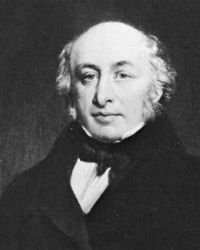
Shah Alam II (1728–1806), the 17th Mughal emperor, ruled during the waning years of the Mughal Empire, characterized by invasions, political disintegration, and British expansion. His reign, from 1760 to 1806, saw significant events such as the Battle of Panipat (1761), the Treaty of Allahabad (1765), and his eventual reliance on the British East India Company. Historians like H.G. Keene and Roger Pocock emphasize his challenges with allegiance, perseverance, and the diminishing strength of imperial rule, while Thomas Haig’s writings focus on his military strategies and partnerships.
Although he remained a symbolic Mughal ruler, Shah Alam II’s later years—marked by his blinding at the hands of a rival and submission to British dominance—symbolize the empire’s irreversible fall, as reflected in the Persian saying “Sultanat-e-Shah Alam, Az Dilli ta Palam.” His legacy, as documented by his contemporaries, highlights the shift from Mughal rule to colonial dominance.