Mughal Empire

Definition and stakes

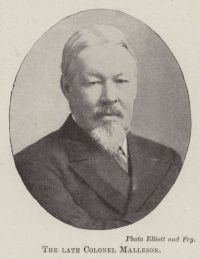
G. B. Malleson,  Rulers of India: Lord Clive

“ There was but one point regarding which he had doubts, and that was whether the proud Muhammadan nobles to whom, in the days of the glories of the Mughal empire, great estates had been granted in Bengal, would tamely submit to a system which would give to the Western invaders all the actual power, and to the chief of their own class and religion only the outer show. ”
Source: Gutenberg

G. B. Malleson,  Rulers of India: Akbar

“ Fortunately for the Mughal, more fortunately still for the people of India, that abler general, though a man of great ability, had inherited views not differing in any one degree from those of the Afghán chiefs who had preceded him in the art of establishing a dynasty. The conciliation of the millions of Hindustán did not enter into his system. He, too, was content to govern by camps located in the districts he had conquered. The consequence was that when he died other men rose to compete for the empire. ”
Source: Gutenberg

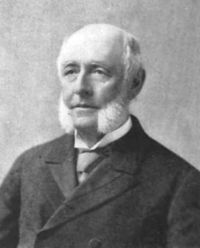
Portrait of George Park Fisher George Park Fisher,  Outlines of Universal History, Designed as a Text-book and for Private Reading

“ In 1614 an edict proscribed Christianity. A portion of the peasants who were converts were so oppressed, that they revolted (1637) . The result was an act of terrible cruelty,—the massacre of all Christians; so that none remained openly to profess the Christian faith.
III. INDIA. THE MUGHAL EMPIRE.—In the latter half of the fourteenth and in the fifteenth centuries, the most of India was ruled by distinct Mohammedan dynasties. The dominion of the Afghan dynasty at Delhi was thus greatly reduced. In 1525 the Mughal (Mogul) Empire was founded by Babar, a descendant of Tamerlane.
”
Source: Gutenberg

Get perspective with Kwize: daily news enlightened by great literature