Shah Jahan

Definition and stakes

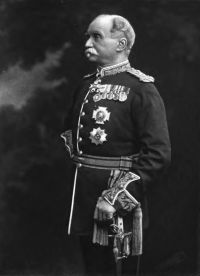
Portrait of E. V. Lucas E. V. Lucas Roving East and Roving West

His grandfather, Akbar, the other great Agra builder, was made of sterner stuff. All Shah Jahan's creations—the Taj, the marble mosque, the palaces both here and at Delhi, even the great Jama Masjid at Delhi,—have a certain sensuous quality. They are not exactly decadent, but they suggest sweetness rather than strength. The Empire had been won, and Shah Jahan could indulge in luxury and ease. But Akbar had had to fight, and he remained to the end a man of action, and we see his character reflected in his stronghold Fatehpur-Sikri, which one visits from Agra and never forgets.
Source: Gutenberg

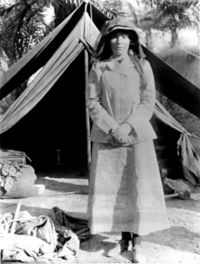
Clarence Ward The Mentor: Beautiful Buildings of the World…

Shah Jahan was a cold and haughty man; but he ruled India well, and his pride was softened in later life by the death of his wife. It is said that during his reign he brought India peace and prosperity by putting all his rivals to death. Besides the Taj Mahal, two other famous buildings, the Pearl Mosque at Agra and the great mosque of Delhi, which were built by Shah Jahan, have made his reign one of the most memorable in Indian history. The emperor's treasury must have been practically unlimited
Source: Gutenberg

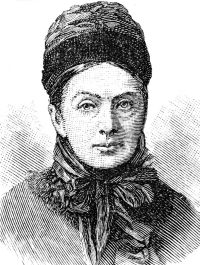
Portrait of Eliza Ruhamah Scidmore Eliza Ruhamah Scidmore Winter India (1903)

Overhead is the tiny Gem Mosque, where the women prayed the Prophet to grant them souls; this exquisite marble cell being afterward the prison place of Shah Jahan. Shah Jahan, the accepted Great Mogul of Europeans, and contemporary of Cromwell, was deposed by his son, Jahangir, but cheered in his seven years' captivity by his faithful daughter, Jahanira. Another passage leads along above the battlements from the Jasmine Tower to the Diwan-i-Khas, another private audience-hall with an inner decoration of white on white in low relief, the outer pillars and arches inlaid with color.
Source: Wikisource

Get perspective with Kwize: daily news enlightened by great literature