Shoshonean languages

Definition and stakes

Primitive & Mediaeval Japanese Texts

“ From the above considerations it will be readily understood that the power of expression even in Japanese is far inferior to that of Western speech. The imagery is, of necessity, extremely limited in range and flat in tone. It seems to me, however, of greater range and higher quality than in Chinese. But neither Chinese nor Japanese possesses a tithe of the capacity of Aryan and Semitic languages to express human thought and feeling, [xi] and describe the works of man or the appearances of nature. ”
Source: Gutenberg

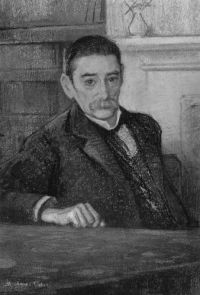
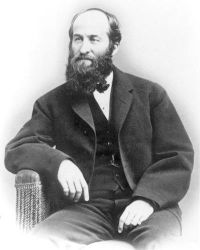
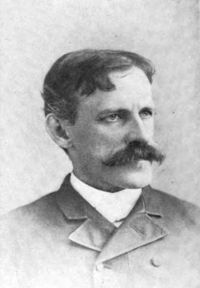
Portrait of Frederick Marryat Frederick Marryat,  The Travels and Adventures of Monsieur Violet in California…

“ Unlike the great families of the Dahcotahs and Algonquins, who yet retain the predominant characteristics of the wandering nations of South-west Asia, the Shoshones seem to have been in all ages a nation warlike, though stationary. It is evident that they never were a wealthy people, nor possessed any great knowledge of the arts and sciences. ”
Source: Gutenberg

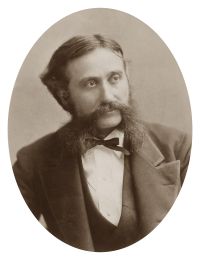
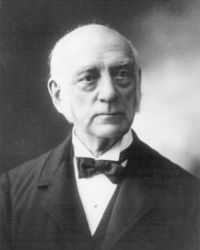
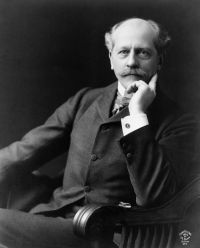
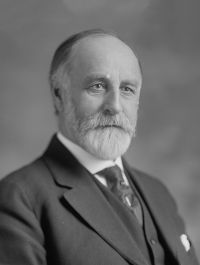
Portrait of William George Aston William George Aston,  Transactions of the Asiatic Society of Japan (1874)

“ They are rather to be looked upon as so much raw material, the real value of which it is difficult in the present state of our knowledge to determine, and they are given merely for what they are worth. The most that can be said of them is that they present a plausible primâ facie case in favour of the proposition that Japanese is remotely related to Aryan languages.
The following are a few examples out of a much larger number which might have been given:—
Jap. na, a name; Sansk. naman; Lat. nomen; English name. The root in all these Aryan forms is na or no, the rest being a mere termination.
”
Source: Wikisource

Get perspective with Kwize: daily news enlightened by great literature