Spanish Navy

Definition and stakes

W. Laird Clowes,  The Royal Navy, a History from the Earliest Times to the Present (1897)

“ The duties of the generals would, therefore, be to discover the strength, whereabouts, and designs of the Spanish navy, and the nature and quantity of stores collected in Spain for purposes of aggression over sea; to destroy any vessels intended for Ireland, the Narrow Seas, or Calais, to generally injure the naval power of Spain, to avoid the unnecessary hazarding of ships and men, to take undefended towns, especially if they should be understood to contain treasure; not to injure non-combatants, and to preserve all booty for her majesty's disposal. ”
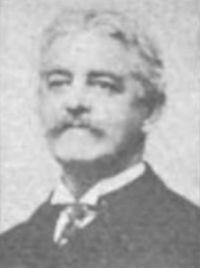
Source: Wikisource

Portrait of Frederick A. Ober Frederick A. Ober,  Spain

“ On the 29th of April a Spanish fleet, commanded by Admiral Cervera, and consisting of four armoured cruisers and three torpedo boats and “destroyers,” left port in the Cape de Verde Islands and sailed for West Indian waters.
At the outset it was believed that the Spanish navy was vastly superior to that of the United States, for there were several battle ships of vast tonnage and heaviest [240] armament, and cruisers of greater speed than any possessed by the Americans.
”
Source: Gutenberg

Portrait of Rafael Altamira Rafael Altamira,  A History of Spain

“ The eighteenth century marked the birth of a real Spanish navy. At the outset, and during the great war which opened the era, there was virtually none at all, but in 1714 Orry took steps, which were later furthered by Alberoni, Patiño, and especially by Ensenada, to develop an effective fleet. In 1761 there were 49 men-of-war (navíos) , 22 frigates, and a number of smaller ships; in 1788, 64 men-of-war, 53 frigates, and 60 boats of other types, with 50,000 sailors, 20,000 infantry, 3000 artillerymen, and numerous officials of the navy department. ”
Source: Gutenberg

Get perspective with Kwize: daily news enlightened by great literature