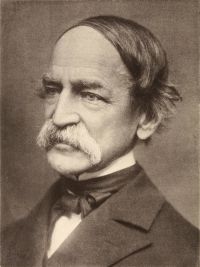
Springfield, Massachusetts, established in 1636 by William Pynchon, is a city distinguished by its historical depth, industrial strength, and community pride. Authors and historians have long recognized its unique character: Lydia Huntley Sigourney commended its "elegant private residences" and "lofty elms," while William Dean Howells pointed out its relative affordability. Walter W. Ward highlighted Springfield’s military heritage, ranging from militia groups to its role in the Spanish-American War, and Willard W.
Glazier emphasized its industrial power, especially its involvement in armaments during the Civil War. Encyclopedic sources further elaborate on its infrastructure, commerce, and governance, presenting a picture of a city that merges colonial traditions with forward-thinking aspirations. Springfield’s story thus weaves together natural beauty, community involvement, and economic endurance, illustrating its lasting importance in New England’s history.
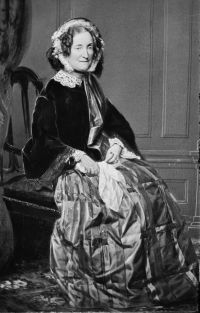 Lydia Huntley Sigourney,
Scenes in my Native Land
(1845)