Taranaki

Definition and stakes

W. Dittmer,  Te Tohunga: The ancient legends and traditions of the Maoris

“ A beautiful straight form gave the mass of fire and ashes to Taranaki—but he shook in terrible rage! He tore himself out of the ground, shaking the earth and breaking the lands asunder; he tried to fly at Ruapehu, to kill him with his weight. But Ruapehu made the water of his lake, high up in the snows, boil, and, hurling it down, it filled all the rends Taranaki had made in the earth, and burned all the inside of the earth and of Taranaki himself. ”

Source: Gutenberg

Henry Thomas Purchas,  A History of the English Church in New Zealand

“ Others beside bishop and missionaries were stirred with indignation. "The affair at Taranaki," wrote the bishop, "was announced by the government, and looked upon by the natives, as the beginning of a new policy for the whole of New Zealand." As such it was received by the king-maker in the north. Hitherto there had been little sympathy between himself and the Taranaki chief. Now they began to draw together. Patriotism and religion formed a continually strengthening bond. "It was this that disquieted the heart of Te Rangitaake," wrote Tamihana, "his church being burnt with fire." ”
Source: Gutenberg

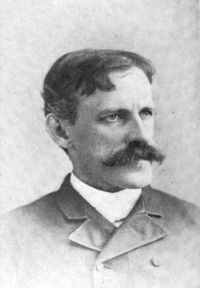
Portrait of James Cowan James Cowan,  The adventures of Kimble Bent: A story of wild life in the New Zealand bush

“ From Taranaki's foot set out the Hauhau apostles, preaching a strange jumble of Scriptural expressions and pagan Maori concepts, promising their converts that no pakeha bullet should harm them if they but repeated their magic incantations; and brandishing before the ranks of their devotees the dried and smoked heads of [Pg 16] slain white soldiers. The relapse into barbarism was more marked in Taranaki than anywhere else, and even to this day the hatred of the white man lingers there, amongst the remnants of the old Hauhau stock. ”
Source: Gutenberg

Get perspective with Kwize: daily news enlightened by great literature