The Tiger

Definition and stakes

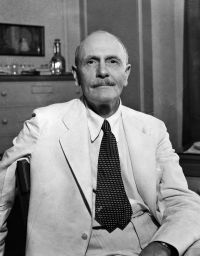
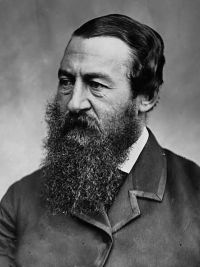
Sir Hugh Charles Clifford,  In Court and Kampong

“ All who have listened to the tiger in his forest freedom know that he has many voices wherewith to speak. He can give a barking cry, which is not unlike that of a deer; he can grunt like a startled boar, and squeak like the monkeys cowering at his approach in the branches overhead; he can shake the earth with a vibrating, resonant purr, like the sound of faint thunder in the foot-hills; he can mew and snarl like an angry wildcat; and he can roar like a lusty lion cub. But it is when he lifts up his voice in the long-drawn moan that the jungle chiefly fears him. ”
Source: Gutenberg

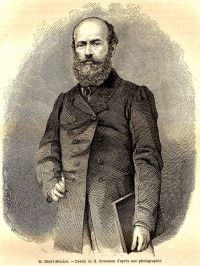
Portrait of D. H. Lawrence D. H. Lawrence,  Twilight in Italy

“ It is the spirit of the tiger. The tiger is the supreme manifestation of the senses made absolute. This is the
Tiger, tiger burning bright, In the forests of the night
of Blake. It does indeed burn within the darkness. But the essential fate, of the tiger is cold and white, a white ecstasy. It is seen in the white eyes of the blazing cat. This is the supremacy of the flesh, which devours all, and becomes transfigured into a magnificent brindled flame, a burning bush indeed.
”
Source: Gutenberg

Engravings of Lions, Tigers, Panthers…

“ IV. The Tiger which marches in our procession, without an object before him to call forth emotion, possesses a calm character, combined with the resistless strength of that dreadful quadruped; whose very tranquillity, in his leisure sauntering, when no excitement is acting on his nerves, has an appalling effect.—His brow is clouded, though his claws are sheathed. There is a possibility of a dreadful storm which may not be far distant, and that is enough to stamp the Tiger’s character. None shall dare to arouse his energies, nor to encounter them when aroused. ”
Source: Gutenberg

Get perspective with Kwize: daily news enlightened by great literature