"The Vicar of Wakefield," a 1766 sentimental novel by Oliver Goldsmith, recounts the Primrose family’s struggles and achievements, merging satire with ethical contemplation. Through their passage from affluence to downfall and eventual recovery, Goldsmith juxtaposes the family’s moral strength with the ethical shortcomings of the aristocracy.
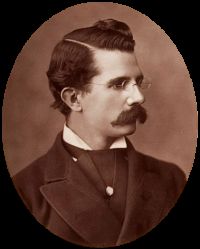
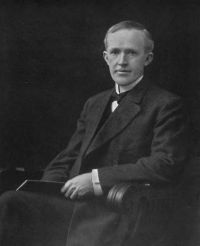
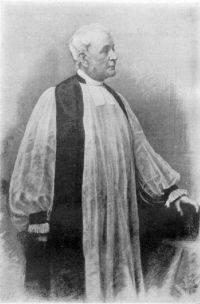
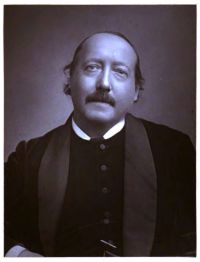
Critics such as William Black emphasize its unflinching portrayal of societal cruelty, while Johann Wolfgang von Goethe commended its narrative elegance. Helen Zimmern observed the Vicar’s sermon in prison as a deep examination of human endurance. The novel’s lasting charm stems from its romanticized depiction of country life and unwavering moral fiber, influencing literary discussions on goodness and social commentary.