Theatre Royal, Covent Garden

Definition and stakes

Osbert John Radcliffe Howarth, Thomas Allan Ingram, and Henry Benjamin Wheatley 1911 Encyclopædia Britannica, Volume 16… (1911)

At these central theatres successful plays are allowed to “run” for protracted periods, but there are numerous fine houses in other parts of London which are generally occupied by a succession of touring companies presenting either revivals of popular plays or plays successful at the moment in the central theatres. The principal music halls (variety theatres) are in Shaftesbury Avenue, Piccadilly Circus, Leicester Square and the Strand. The Covent Garden theatre is the principal home of grand opera
Source: Wikisource

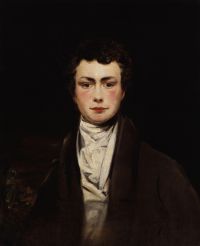
Portrait of Thomas Moore Thomas Moore Memoirs of the Life of the Rt. Hon…

From our situations in the Theatres Royal of Drury-Lane and Covent-Garden we have had opportunities of observing many circumstances relative to our general property, which must have escaped those who do not materially interfere in the management of that property. One point in particular has lately weighed extremely in our opinions, which is, an apprehension of a new Theatre being erected for some species or other of dramatic entertainment.
Source: Gutenberg

A Dictionary of Music and Musicians (1900)

COVENT GARDEN THEATRE, opened Dec. 7, 1732, under the management of Rich, who moved there with all his company from the theatre he had previously directed in Lincoln's Inn; burned on the night of Sept. 19, 1808; new theatre opened Sept. 18, 1809; converted into an opera-house 1847; burnt down 1856; reconstructed and opened again as an opera-house 1858. Though licensed for the performance of the higher class of dramatic works, to which the name of 'legitimate' is given, Covent Garden Theatre has been the scene of all kinds of theatrical representations
Source: Wikisource

Get perspective with Kwize: daily news enlightened by great literature