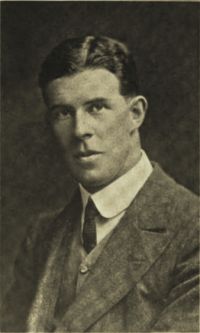
Thomas Bentley

Definition and stakes

Charles S. Bentley,  The Fifth of November

“ For an instant Winter recoiled as if in fear of the thrust which he was now powerless to avert. A scornful smile passed over the pale features of the victor.
"'Tis thus I would deal with such as thou," said he haughtily, and, pushing his sword into its scabbard, he took up Sir Thomas' rapier, and breaking it across his knee, tossed the pieces contemptuously aside.
"Come!" said he as his second threw a cloak about him. "Our matters are ended." Then saluting with grave courtesy the four Catholic gentlemen, he left the garden, followed by his companions.
”
Source: Gutenberg

Mrs. A. T. Thomson,  The Wits and Beaux of Society. Volume 2

“ Thomas Bentley, the son of Richard Bentley, the celebrated critic, had written a play called 'The Wishes;' and during the summer of 1761 it was acted at Drury Lane, and met with the especial approbation of George III., who sent the author, through Lord Bute, a present of two hundred guineas as a tribute to the good sentiments of the production.
This piece, which, in spite of its moral tendency, has died out, whilst plays of less virtuous character have lived, was rehearsed in the gardens of Brandenburgh House. Bubb Dodington associated much with those who give fame
”
Source: Gutenberg

Arthur Thomas Malkin,  The Gallery of Portraits: with Memoirs…

“ The son was bred under his own tuition at Trinity College, where he obtained a fellowship. His contemporaries acknowledge his genius, but lament that his pursuits were so desultory and various as to exclude him from that substantial fame which his talents might have ensured. Dr. Bentley’s eldest daughter, Elizabeth, married Mr. Humphry Ridge, a gentleman of good family in Hampshire, but was left a widow in less than a year, and returned to reside with her father. ”
Source: Gutenberg

Get perspective with Kwize: daily news enlightened by great literature