Thomas Burnet

Definition and stakes

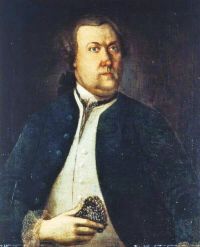
Portrait of Pehr Kalm Pehr Kalm,  Travels into North America, Volume 1… (1770)

“ Among those who have been entrusted with this post, William Burnet deserves [259] to be had in perpetual remembrance. He was one of the sons of Dr. Thomas Burnet (so celebrated on account of his learning) and seemed to have inherited the knowledge of his father. But his great assiduity in promoting the welfare of this province, is what makes the principal merit of his character. The people of New York therefore still reckon him the best governor they ever had, and think that they cannot praise his services too much. ”
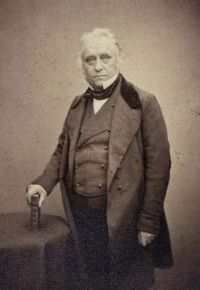
Source: Gutenberg

1911 Encyclopædia Britannica, Volume 4… (1911)

“ But he suddenly marred his prospects by the publication, in 1692, of a work entitled Archaeologiae Philosophicae: sive Doctrina antiqua de Rerum Originibus, in which he treated the Mosaic account of the fall of man as an allegory. This excited a great clamour against him; and the king was obliged to remove him from his office at court. Of this book an English translation was published in 1729. Burnet published several other minor works before his death, which took place at the Charterhouse on the 27th September 1715. ”
Source: Wikisource

Baron Thomas Babington Macaulay Macaulay,  The History of England, from the Accession of James II…

“ A writer, whose voluminous works, in several branches of literature, find numerous readers a hundred and thirty years after his death, may have had great faults, but must also have had great merits: and Burnet had great merits, a fertile and vigorous mind, and a style, far indeed removed from faultless purity, but always clear, often lively, and sometimes rising to solemn and fervid eloquence. In the pulpit the effect of his discourses, which were delivered without any note, was heightened by a noble figure and by pathetic action. He was often interrupted by the deep hum of his audience ”
Source: Gutenberg

Get perspective with Kwize: daily news enlightened by great literature