Tsardom of Russia

Definition and stakes

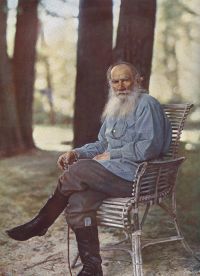
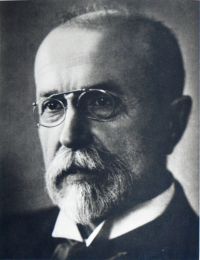
Portrait of Tomáš Garrigue Masaryk Tomáš Garrigue Masaryk The Spirit of Russia (1919)

Russia will never be Protestant; Russia will never be juste-milieu; Russia will not make a revolution simply in order to get rid of Tsar Nicholas and to replace him by tsar-deputies, tsar-judges, and tsar-policemen.
Herzen now found himself able to explain certain undesirable historical facts quite in the slavophil manner.
Take tsarism, for example. Tsarism is not monarchy. European monarchy developed out of feudalism and Catholicism, and is animated by a peculiar social and religious ideal. The tsar is tsar for tsardom's sake. He is nothing more than an unlimited dictator.
Source: Wikisource

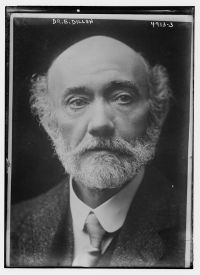
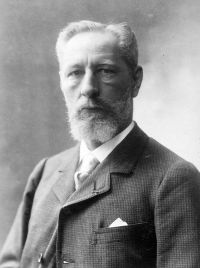
Portrait of Emile Joseph Dillon Emile Joseph Dillon A scrap of paper (1914)

In a word, Russia is bound hand and foot. She cannot make a warlike move. And if her diplomatists speak as though she contemplated such a step,37 it will be nothing more than bluff.
Moving along this line of reasoning, the statesmen of Berlin and Vienna reached the comforting conclusion that they had nothing to fear from the Tsardom. And that was the crucial point that had needed elucidation. For if the Tsar’s Government remained inactive while Servia was being punished and Turkey and Bulgaria bribed, there would be no cause to apprehend a hitch.
Source: Gutenberg

Portrait of Tomáš Garrigue Masaryk Tomáš Garrigue Masaryk The New Europe (1917)

The first practical result of the Russian revolution was the cheapening of bread and food; the great task of new Russia is to reform the bureaucracy, to turn it from the absolutist regnare to the democratic gubernare. In absolute Tsardom every bureaucrat is a tsar, and, in his own domain, the tsar. Russia is handicapped by her size
Source: Wikisource

Get perspective with Kwize: daily news enlightened by great literature