Eugène-Melchior de Vogüé

Biographical details

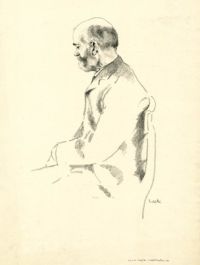
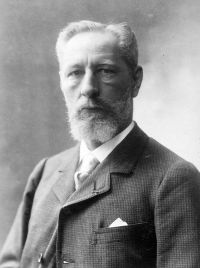
Portrait of Eugène-Melchior de Vogüé Eugène-Melchior de Vogüé Russian Novelists (1887)

During these years of romanticism, so short and yet so full, between 1815 and 1840 only, all intelligent minds in Russia seemed given up to thought, imagination, and poetry.
Everything in this country develops suddenly. Poets appear in numbers, just as the flowers of the field spring forth after the sun's hot rays have melted the snow. At this time poetry seemed to be the universal language of men. Only one of this multitude of poets, however, is truly admirable, absorbing all the rest in the lustrous rays of his genius,—the glorious Pushkin.
Source: Wikisource

Portrait of Eugène-Melchior de Vogüé Eugène-Melchior de Vogüé Russian Novelists (1887)

Their land is made for a tent-life, rather than for dwelling in houses; their ideas are nomadic, like themselves. As the winds bear the arctic cold over the plains from the White Sea to the Black, without meeting any resisting obstacle, so invasions, melancholy, famine, servitude, seize and fill these empty stretches rapidly and without hindrance. It is a land which is calculated to nourish the dim, hereditary, confused aspirations of the Russian heart, rather than those productions of the mind which give an impetus to literature and the arts.
Source: Wikisource

Portrait of Eugène-Melchior de Vogüé Eugène-Melchior de Vogüé Russian Novelists (1887)

We shall find that Pushkin's successors possess none of his literary qualities. He is as concise as they are diffuse; as clear as they are involved. His style is as perfect, elegant, and correct as a Greek bronze ; in a word, he has style and good taste, which terms cannot be applied to any of his successors in Russian literature. Is it taking away anything from Pushkin to remove him from his race and give him to the world and humanity at large?
Source: Wikisource

Get perspective with Kwize: daily news enlightened by great literature