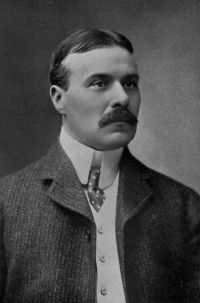
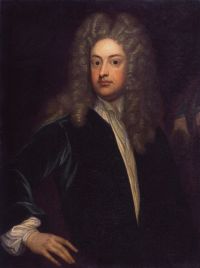
The concept of "Tully" appears throughout literature as a multifaceted name, representing characters from grieving fathers to bureaucratic figures and social archetypes. Laurence Sterne evokes Tully's sorrow for his daughter Tullia, merging emotion with classical resonance, while Harry Leon Wilson depicts Tully as a hapless clerk, his physicality emphasizing the absurdity of bureaucracy.
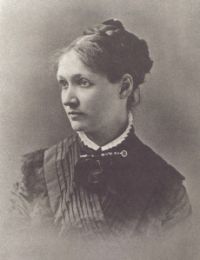
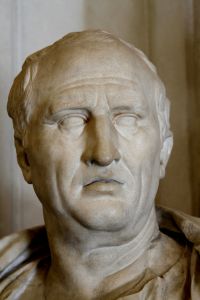
Mary Hallock Foote places Tully within domestic realism, contrasting her waning social aspirations with the harsh realities of frontier life. Meanwhile, allusions to Cicero’s sayings connect the name to ancient wisdom, set against modern storytelling. These diverse portrayals highlight "Tully" as a versatile literary element, capturing human vulnerability, societal roles, and the dynamic relationship between individuals and their environments.
 Laurence Sterne,
The Life and Opinions of Tristram Shandy…
(1759)
Laurence Sterne,
The Life and Opinions of Tristram Shandy…
(1759)