Turkic peoples

Definition and stakes

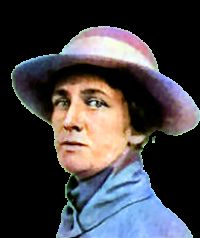
B. Granville Baker,  The Passing of the Turkish Empire in Europe

“ It is doubtful though whether those early Turkish tribes, if they had come under the influence of Christianity instead of Islam, would have advanced any further on the path of culture than they have arrived to-day. Though they have been in contact with the West since the seventh century, though they conquered the Empire of the East and made its Christian peoples their subjects, and from the City of Constantine overflowed Eastern Europe up to the gates of Vienna, yet the Turk has learnt nothing. ”
Source: Gutenberg

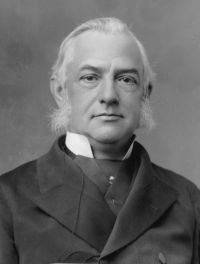
Portrait of E. F. Knight E. F. Knight,  Turkey; the Awakening of Turkey…

“ It is possible that in Asia Minor peasants of pure Turkish blood may still be found, but in European Turkey—that “lumber room of many races”—the strong and noble Turkish stock has been so largely intermingled with a number of other races that the racial characteristics of the Osmanli have practically disappeared. It is more rare to find features of the Mongolian stamp among the modern Turks than among the Christian peoples over whom they rule. ”
Source: Gutenberg

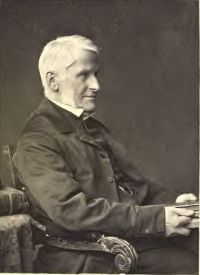
Portrait of Leon Dominian Leon Dominian,  The Frontiers of Language and Nationality in Europe

“ Turkish nationality is equally meaningless. The descendants of Asiatic nomads became masters of western Asia without ever conferring the boon of government or of nationality upon the land and its peoples. In Gibbon’s mordant words “the camp and not the soil is the country of the genuine Tatar.” And Turkey is still a vast field in which the Turk has pitched his tent and merely waits, knowing that the day is not far off when he will have to break camp and seek new pasturages for his herds and flocks. ”
Source: Gutenberg

Get perspective with Kwize: daily news enlightened by great literature