Viceroy of India

Definition and stakes

George Aberigh-Mackay Twenty-One Days in India, or, the Tour Of Sir Ali Baba K.C.B.…

I never tire of looking at a Viceroy. He is a being so heterogeneous from us! He is the centre of a world with which he has no affinity. He is a veiled prophet. [He wears many veils indeed.] He who is the axis of India, the centre round which the Empire rotates, is absolutely and necessarily withdrawn from all knowledge of India. He lisps no syllable of any Indian tongue; no race or caste, or mode of Indian life is known to him; all our delightful provinces of the sun that lie off the railway are to him an undiscovered country
Source: Gutenberg

Mrs. Stuart Menzies Lord William Beresford, V.C., Some Memories of a Famous Sportsman…

To an impartial observer looking back over the lives and works of the different rulers in India, it appears to matter not what the views and policy of each may be, they cannot get away from the fact that they must, and do, reap the benefit to some extent of the work of their predecessors. This must be a consoling thought to the retiring Viceroy, who may feel on leaving India that he will be a thing of the past, but that at any rate his work will live after him, and, maybe, he will be spared to see it grow.
Source: Gutenberg

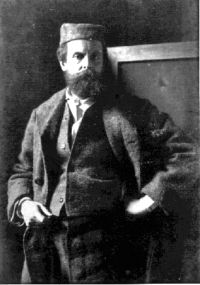
Portrait of Wilfrid Scawen Blunt Wilfrid Scawen Blunt India under Ripon: A Private Diary

Thus the Secretary of State, who is dependent on this blind guide, is in no other position at home than is the Viceroy in India. Ignorant, as a rule, of all things Indian, and dependent for advice on the India Office and his Anglo-Indian Council, he never gets at the truth of things, and blunders blindly on as they direct. It is almost impossible for him, however robust his will, to hold his own as a reformer.
Source: Gutenberg

Get perspective with Kwize: daily news enlightened by great literature