Völuspá

Definition and stakes

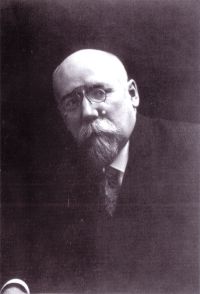
Portrait of Viktor Rydberg Viktor Rydberg,  Teutonic Mythology: Gods and Goddesses of the Northland…

“ In Völuspa (60) the human race which peoples the renewed earth is called burir brodra tvegia, "the sons of the two brothers," and the two brothers mentioned in the preceding strophe are Balder and Hoder. Herewith is to be compared ljóna kindir in Völuspa (14) . In Harbardsljod (42) the insolent mocker of the gods, Harbard, refers to the miserable issue of an effort made by jafnendr, "the arbitrator," to reconcile gods with certain ones of their foes. ”
Source: Gutenberg

Portrait of Viktor Rydberg Viktor Rydberg,  Teutonic Mythology: Gods and Goddesses of the Northland…

“ Thus, Nide's mountains are situated on Mimer's fields. Völuspa's seeress discovers on the rejuvenated earth Nidhog, the corpse-eating demon of the lower world, flying, with dead bodies under his wings, away from the rocks, where he from time immemorial had had his abode, and from which he carried his prey to Nastrands (Völusp., 39) . There are no more dead bodies to be had for him, and his task is done. ”
Source: Gutenberg

Aubrey De Vere,  Legends of the Saxon Saints

“ In the doctrine he reports Heida recognises certain sacred traditions from the East, originally included in the Northern religion, and affirms that the new Faith is the fulfilment of the great Voluspà prophecy, the earliest record of that religion, which foretold the destruction both of the Odin-Gods and the Giant race, the restoration of all things, and the reign of Love. ”
Source: Gutenberg

Get perspective with Kwize: daily news enlightened by great literature