“ Encompassed by the inviolate seas, stands to-day the American Republic, which he founded—a freer Greater Britain—uplifted above the powers and principalities of the earth, even as his monument is uplifted over roof and dome and spire of the multitudinous city.Long live the Republic of Washington! Respected by mankind, beloved of all its sons, long may it be the asylum of the poor and oppressed of all lands and religions—long may it be the citadel of that Liberty which writes beneath the eagle's folded wings, "We will sell to no man, we will deny to no man, right and justice." ”
Washington, D.C.
Definition and stakes
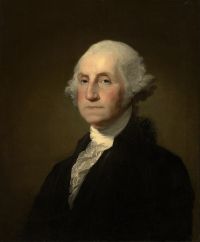
Washington, D.C., established as the political and symbolic heart of the United States, embodies the nation’s ideals of governance and unity. Authors such as Henry Van Dyke celebrated George Washington’s character as the “true hero of a great people,” emphasizing his moral clarity and visionary leadership.
Mary Clemmer contrasted the city’s aspirational role as a “citadel of Liberty” with its perceived neglect, while Henry Cabot Lodge humanized Washington’s legacy, revealing his “gallant, generous, youthful” persona beyond historical legend. These perspectives, ranging from reverent to critical, collectively frame Washington, D.C., as both a monument to national identity and a contested space of political ambition, reflecting the evolving tensions between idealism and pragmatism in American history.
Quotes about “Washington, D.C.”
“ Towering high above the column which our hands have builded, beheld, not by the inhabitants of a single city or a single State, but by all the families of man, ascends the colossal grandeur of the character and life of Washington. In all the constituents of the one, in all the acts of the other, in all its titles to immortal love, admiration, and renown, it is an American production. ”
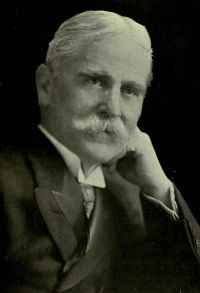 Henry Van Dyke,
The Americanism of Washington
“ Among these men whose union in purpose and action made the strength and stability of the republic, Washington was first, not only in the largeness of his nature, the loftiness of his desires, and the vigor of his will, but also in that representative quality which makes a man able to stand as the true hero of a great people. He had an instinctive power to divine, amid the confusions of rival interests and the cries of factional strife, the new aims and hopes, the vital needs and aspirations, which were the common inspiration of the people's cause and the creative forces of the American nation. ”