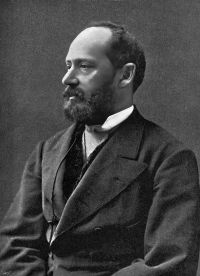
Yakub Beg

Definition and stakes

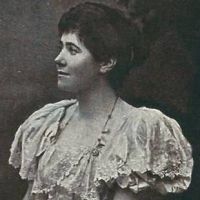
Portrait of Ella Sykes Ella Sykes,  Through deserts and oases of central Asia (1920)

“ Yakub Beg’s power was based on a mercenary force which was remarkable for its heterogeneous composition. Just as his palace, which was built and organized on the lines of barracks, was full of cannon of every description, ranging from ancient Chinese pieces to modern artillery, so his army included men from every neighbouring province. The most trustworthy and efficient soldiers were Khokandis, who, being strangers in the land, would naturally be loyal to their chief and fellow-countryman, whereas the local peasantry made indifferent fighters. ”
Source: Gutenberg

Portrait of Ella Sykes Ella Sykes,  Through deserts and oases of central Asia (1920)

“ The little party of adventurers crossed the Tian Shan in mid-winter without encountering any opposition, and in January 1865 reached the neighbourhood of Kashgar. Meanwhile Sadik Beg had repented of the invitation given to the Khoja prince, and pointed out that the Chinese were sure to reconquer Kashgar, where they would exact stern retribution. But Yakub Beg, moulded in the school of adversity, disregarded the warning and insisted on entering Kashgar, where Buzurg Khan was received with enthusiasm and proclaimed Khan. ”
Source: Gutenberg

Various,  Encyclopaedia Britannica, 11th Edition…

“ Buzurg Khan delivered himself up to indolence and debauchery, but Yakub Beg, with singular energy and perseverance, made himself master of Yangi Shahr, Yangi-Hissar, Yarkand and other towns, and eventually became sole master of the country, Buzurg Khan proving himself totally unfitted for the post of ruler. Kashgar and the other cities of the Tarim basin remained under Yakub Beg’s rule until 1877, when the Chinese regained possession of their ancient dominion. ”
Source: Gutenberg

Get perspective with Kwize: daily news enlightened by great literature