Kirghiz

Definition and stakes

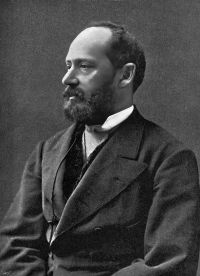
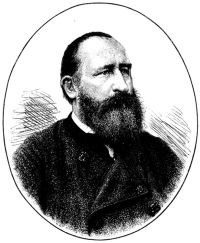
Portrait of Alfred Edmund Brehm Alfred Edmund Brehm,  From North Pole to Equator: Studies of Wild Life and Scenes in Many Lands (1896)

“ It is scarcely too much to say that the Kirghiz possesses very many good qualities and very few bad ones, or reveals very few to strangers. Mentally wide-awake, shrewd, vivacious, intelligent where things known to him are concerned, good-humoured, obliging, courteous, kindly, hospitable and compassionate, he is, of his kind, a most excellent man, whose bad qualities one can easily overlook if one studies him without prejudice. ”
Source: Gutenberg

Demetrius Charles Boulger,  The Life of Yakoob Beg; Athalik Ghazi…

“ The great nomadic tribe of the Kirghiz, or Kara Kirghiz, as the Russians call them, to distinguish them from the Kirghiz of the various hordes who, by the way, are not true Kirghiz at all, has at all times played a fitful, yet important part in the histories of Khokand, Jungaria, and Eastern Turkestan. Preserving their independence in the inaccessible region lying west of Lake Issik Kul, and along the Kizil Yart plateau and range, this tribe has always been a source of trouble to its neighbours, whosoever they might be. ”
Source: Gutenberg

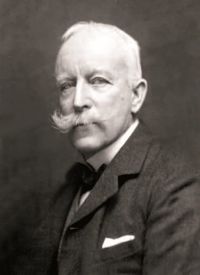
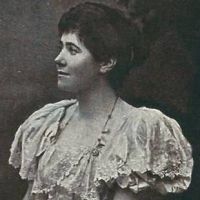
Portrait of Ella Sykes Ella Sykes,  Through deserts and oases of central Asia (1920)

“ This tradition evidently rests on a poor pun, but it proves that the Kirghiz regard themselves as a branch of the Kazaks, or “Cossacks,” as we write the word. They furthermore believe that the same Prince had thirty sons, Utuz Ughul, whose descendants inhabit [Pg 241] the Alai and the country between it and the Ili province. In Chinese Turkestan the principal Kirghiz tribes inhabiting the uplands between Kashgar and the Taghdumbash Pamir are the Naiman, the Kapchak and the Tait. The Kirghiz are all Moslems of the Sunni sect. ”
Source: Gutenberg

Get perspective with Kwize: daily news enlightened by great literature