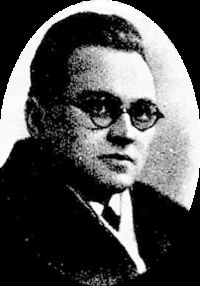
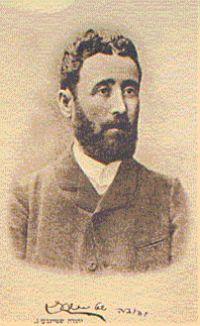
Yiddish, a West Germanic language historically spoken by Ashkenazi Jews, arose in medieval Central Europe as a blend of High German, Hebrew, Aramaic, and Slavic influences, functioning as a common tongue for Jewish communities. Its development illustrates a complex interaction of cultural and linguistic factors, ranging from sacred writings to secular works. Writers such as Ber Borochov examined its composite nature, underscoring the coexistence of Hebrew, German, and Slavic elements, while Israel Zangwill emphasized its ability to adapt to new settings, merging Yiddish with American speech patterns.
Sholem Asch and others employed it as a medium for expressing Jewish identity and narrative, balancing traditional values with contemporary themes. Despite the catastrophic effects of the Holocaust, Yiddish continues to be spoken in Haredi communities, its endurance a reflection of cultural tenacity and the persistent efforts to safeguard a language that remains vital to Jewish heritage.