Young Turks

Definition and stakes

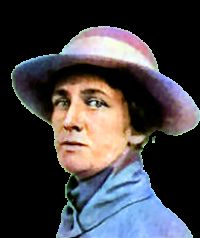
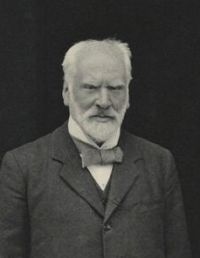
Portrait of Robert Graves Robert Graves,  Lawrence and the Arabs (1927)

“ The Greeks, Serbs, Bulgars, Persians and others had broken away and set up their own governments. It was time for the Turks to protect what was left by adopting the same nationalist policy.
After their first success against the Sultan the Young Turks began to behave foolishly. They preached ‘Turkish brotherhood’; meaning no more than to rally together all men of Turkish blood. Turkey should be the absolute mistress of a subject empire in the modern French style; not merely the chief state of a religious Empire only bound together by the Arabic language and the Koran.
”

Source: Gutenberg

Clair Price,  The Rebirth of Turkey

“ Strong simple men, these Old Turks were, men who knew nothing of the arts of debate, broadly tolerant of the usages of others and rigidly conservative of their own usages, men who took their starkly simple faith very seriously, in whose lives religion was still the dominating factor. They were found in the mosque schools rather than in the War Academy, in Konia rather than in Salonica, and in winning over the Army, the Young Turks were not touching the vast and silent body of conservative Old Turkish opinion which formed Abdul Hamid’s real strength. ”
Source: Gutenberg

Clair Price,  The Rebirth of Turkey

“ The shock of defeat in the Balkan Wars turned the Young Turks in the direction of nationalism. Their subject races had never been amalgamated, and now that Greeks, Armenians and even Arabs were developing racial consciousnesses of their own, efforts at amalgamation were hopelessly tardy. Ottomanization had swiftly broken down into Turkification which became a bitter business of force and only drove the races of the Empire farther apart. But the only alternative to Turkification was the abandonment of the Empire and with it the Caliphate of Islam. ”
Source: Gutenberg

Get perspective with Kwize: daily news enlightened by great literature