Yurand

Definition and stakes

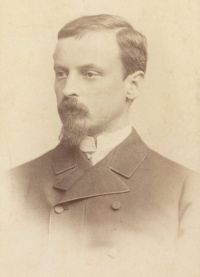
Portrait of Henryk Sienkiewicz Henryk Sienkiewicz,  The Knights of the Cross (1918)

“ He, as if unconsciously, moved forward with his horse, then in one instant the lumps of snow ceased to fly, the voices stopped, and even some heads disappeared behind the wall. Terrible indeed must have been Yurand's name. But even the most cowardly recollected that a moat and a wall divided them from the terrible Mazovian, so the rude soldiery began again to hurl not only balls of snow, but ice, rubbish, and small stones, which rebounded with a noise from his armor and the horse-trappings.
"I have sacrificed myself for my child," repeated Yurand to himself.
”
Source: Wikisource

Portrait of Henryk Sienkiewicz Henryk Sienkiewicz,  The Knights of the Cross (1918)

“ But now, when Siegfried entered the chapel a second time, and, kneeling down at the coffin, laid Yurand's bloody hand at the feet of Rotgier, the joy which had quivered in him a moment earlier was reflected on his face for the last time.
"Seest thou," said he, "I have done more than we decided, for King Yan of Luxemburg, though blind, appeared in battle, and died with glory, but Yurand will not rise again; he will perish like a dog near some fence."
”
Source: Wikisource

Portrait of Henryk Sienkiewicz Henryk Sienkiewicz,  The Knights of the Cross (1918)

“ On the snow lay black before him the penitential bag and the rope, but he stood there long, feeling that something in his soul was unhinging, something breaking, something coming to an end, something dying, and that soon he would be no longer a knight, no longer Yurand of Spyhov, but a wretch, a slave without name, without fame, without honor. ”
Source: Wikisource

Get perspective with Kwize: daily news enlightened by great literature