Acute disease

Definition and stakes

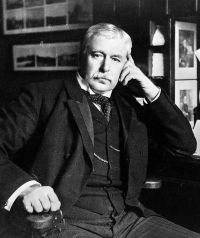
Portrait of Hippocrates Hippocrates,  The Genuine Works of Hippocrates… (1886)

“ But I would more especially commend the physician who, in acute diseases, by which the bulk of mankind are cut off, conducts the treatment better than others. Acute diseases are those which the ancients named pleurisy, pneumonia, phrenitis, lethargy, causus, and the other diseases allied to these, including the continual fevers. For, unless when some general form of pestilential disease is epidemic, and diseases are sporadic and [not] of a similar character, there are more deaths from these diseases than from all the others taken together. ”
Source: Gutenberg

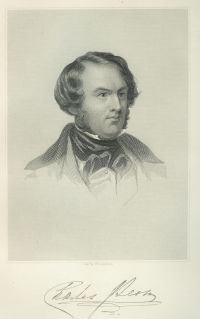
Worthington Hooker,  Physician and patient (1849)

“ An acute disease is one which runs its course in a short time. A chronic disease, on the other hand, is one which has a long duration. For example, pneumonia, (commonly called lung fever,) is an acute disease of the lungs, while consumption is a chronic disease of the same organ. The term, acute, has reference to the violence of the symptoms of the diseases to which it is applied, rather than to their duration ”
Source: Gutenberg

R. T. Claridge,  Every Man His Own Doctor

“ Contagious ulcers.
“Corrupted elements; epidemical diseases.
“Every acute disease is an attempt to dispel diseased matter.
“Fever is not a disease, but the consequence of it; it is an effect of an exertion greater than the power of the system.
“The radical healing of acute diseases is only possible by releasing the diseased matter, by means of water, an agent which invariably effects its object, and that always in a manner perceptible to the senses.
“By means of physic and bleeding, acute diseases become chronic
”
Source: Gutenberg

Get perspective with Kwize: daily news enlightened by great literature