Ager publicus

Definition and stakes

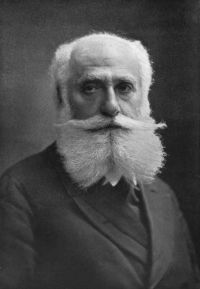
Portrait of Max Simon Nordau Max Simon Nordau,  Conventional Lies of our Civilization (1886)

“ No poor people were clamoring for a share in the ager publicus, like the Roman plebeians,—no disfranchised were struggling for their rights as human beings, like the slaves led by Spartacus,—no special class was fighting for certain privileges, like the cities in the Middle Ages,—nor was it an insurrection of visionaries, eager to bear arms in behalf of their religion, like the Waldenses, Albigenses, the Huguenots and the protestant reformers. ”
Source: Wikisource

Andrew Stephenson,  Public Lands and Agrarian Laws of the Roman Republic

“ All conquered lands before being granted or sold to private individuals were Ager Publicus [3] a term which with few exceptions came to embrace the whole Roman world.
This Ager Publieus was farther increased by towns [4] voluntarily surrendering themselves to Rome without awaiting the iron hand of war. These were commonly mulcted of one-third of their land. [5] "The soil of the country is not the product of labor any more than is water or air. Individual citizens cannot therefore lay any claim to lawful property in land as to anything [6] produced by their own hands."
”
Source: Gutenberg

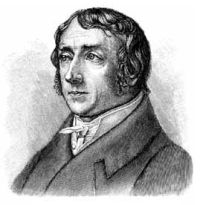
Portrait of Barthold Georg Niebuhr Barthold Georg Niebuhr,  Niebuhr's lectures on Roman history… (1875)

“ Whereas in former times, the relations of Rome towards her allies had been more friendly than those of any ruling city, the most bitter hatred now arose. The very people who sometimes had held out hopes to the Italians, inveighed against it, when those allies put forth their claims too insolently. As far as we can judge of all the facts, nothing had been done for them with the exception of one law, by which the tithe from the ager publicus was abolished; this, however, we only know from Appian. ”
Source: Gutenberg

Get perspective with Kwize: daily news enlightened by great literature