Agnate

Definition and stakes

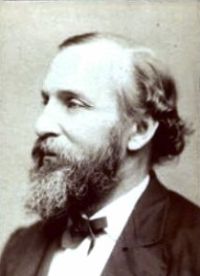
Portrait of Robert E. Knowles Robert E. Knowles,  St. Cuthbert's

“ Oh, Angus, when I saw your face this morning, I feared so that your whole soul would turn to bitterness and give itself up to hatred of that man. But it must not be."
"Margaret, stop! Surely you must know——"
"Be still, Angus—it must not be. All this anguish must break in blessing. Sorrow such as yours will be either a curse or a blessing—and it must not be a curse. God's love can turn it into blessing—and so can mine. We shall take up our cross together and shall see it blossom yet. Oh, Angus, if I can forgive him, you can, for you are dearer to me than to anybody else."
”
Source: Gutenberg

The Rig Veda (1896)

“ Agni is Lord of Amrta. in abundance, Lord of the gift of wealth and hero valour, Victorious God, let us not sit about thee like men devoid of strength, beauty, and worship. 7. The foeman's treasure may be won with labour: may we be masters of our own possessions. Agni, no son is he who springs from others: lengthen not out the pathways of the foolish. 8. Unwelcome for adoption is the stranger, one to be thought of as another's offspring, Though grown familiar by continual presence. May our strong hero come, freshly triumphant. 9. Guard us from him who would assail us, Agni ”
Source: Wikisource

1911 Encyclopædia Britannica (1911)

“ AGNI, the Hindu God of Fire, second only to Indra in the power and importance attributed to him in Vedic mythology. His name is the first word of the first hymn of the Rig-veda: “Agni, I entreat, divine appointed priest of sacrifice.” The sacrifices made to Agni pass to the gods, for Agni is a messenger from and to the gods; but, at the same time, he is more than a mere messenger, he is an immortal, for another hymn runs: “No god indeed, no mortal is beyond the might of thee, the mighty One. ”
Source: Wikisource

Get perspective with Kwize: daily news enlightened by great literature