Alluvial soil

Definition and stakes

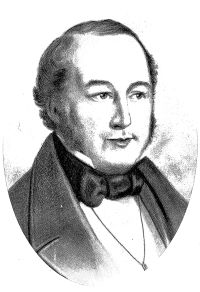
Portrait of Max Joseph von Pettenkofer Max Joseph von Pettenkofer,  Popular Science Monthly (1882)

“ It is an old experience that certain infectious diseases have their favorite seats in the so-called alluvial soils, in lands subject to overflow. Alluvial soil consists chemically and geognostically of substantially the same mineral matters as the compact mountain-masses, from the disintegration of which it has originated—except that its physical aggregation is essentially different; and it is distinguished from rock soils by the great permeability for air and moisture arising from its great porosity, that is, from the spaces in which air and water, as well as organic matters, can find place. ”

Source: Wikisource

Various,  American Journal of Science, Vol…

“ Along the Ohio, a wide intervale of the richest alluvion is found, which produces as luxuriant a growth of vegetation as any in the world. On the banks of the creeks which pass through this country the alluvial soil is not so wide as that on the river, but equally rich and productive. On the hills (and there are many of them) there are two kinds of soil, the silicious and the argillaceous, the first is formed from the decomposition of the rocks which once covered the surface, the latter from the slate which lay under them. ”
Source: Gutenberg

Various,  Popular Science Monthly (1890)

“ Alluvial soils owe their fertility in a great measure to their depth. Tenacity does much to determine the productive power of soil. Tenacity is seen in the clearly cut furrow, and the impression left by the foot when the soil is moist. In tenacious soil the footprint is clear and sharp at the edges, and every nail-mark shows; whereas, in loamy soil the tread is indistinct and the edges of the footprint crumble away. In dry weather, a cracked surface and hard yellow clods are the marks of a stiff soil. ”
Source: Wikisource

Get perspective with Kwize: daily news enlightened by great literature