Beet sugar

Definition and stakes

Albert G. Robinson,  Cuba, Old and New

“ In the case of beet sugar, production is not infrequently a continuous operation in the same mill, from the beet root to the bagged or barrelled sugar ready for the market. The final product from both cane and beet is practically the same. Pure sugar is pure sugar, whatever its source. In the commercial production, on large scale, there remains a small fraction of molasses or other harmless substances, indistinguishable by sight, taste, or smell. ”

Source: Gutenberg

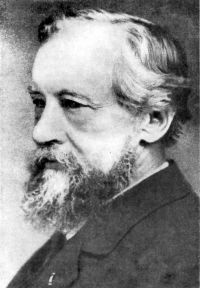
Portrait of Harvey Washington Wiley Harvey Washington Wiley,  Foods and Their Adulteration

“ All kinds of raw sugar but maple are refined before entering commerce. The public taste has demanded a pure white sugar and in so far as beet sugar is concerned the refining process is a necessity, inasmuch as raw beet sugar has a very disagreeable soapy taste and odor which render it unfit for consumption. On the other hand raw cane sugar is aromatic, fragrant, and delicious to a far greater degree in the raw state than when it is refined, since after the refining process it is difficult to distinguish the product of the beet juice from that of the sugar cane. ”
Source: Gutenberg

Portrait of Harvey Washington Wiley Harvey Washington Wiley,  Foods and Their Adulteration

“ To successfully compete in the sugar markets of the world the sugar beet should enter the factory with an average percentage of sugar of not less than 12. Very much richer beets are often produced and in some of the irrigated areas of the west, where the climate is remarkably dry, an average percentage of 16 and 18 even has been obtained. In the whole beet sugar crop of the United States the average percentage of sugar in the beet is probably not far from 13 or 14. ”
Source: Gutenberg

Get perspective with Kwize: daily news enlightened by great literature