Bhakti

Definition and stakes

A Study of the Bhâgavata Purâna…

“ Surrendering Self to Me they wish for nothing else but Myself. Brahmâ, Śiva, Sankarshana, Lakshmî and My own form are not so dear to Me, O Uddhava, as thou art to Me. I always seek my Bhaktas. It is they only that know what bliss they enjoy, Bhakti consumes all impurities, even as fire consumes the fuel. Yoga, Sânkhya, Dharma, study of the scriptures, asceticism, or relinquishment nothing wins me so much as powerful Bhakti does. I am attained only by faithful Devotion. Bhakti purifies the Bhaktas, even though they be Chandâlas by birth. ”
Source: Gutenberg

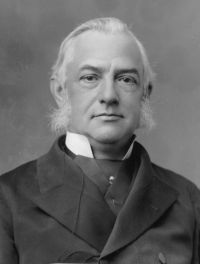
John Morrison,  New Ideas in India During the Nineteenth Century

“ Bhakti is the religion of many millions of India, combined more or less with the conventional externals of sacrifice and offerings and pilgrimages and employment of brahmans, which together constitute the third path of salvation, by karma or works. That ecstatic adoration is religion for many millions of India, although the name bhakti may never pass their lips. We judged the idea of salvation by knowledge, or by intense concentration of mind, to be genuinely felt, because it could override the idea of caste. ”
Source: Gutenberg

Portrait of Swami Vivekananda Swami Vivekananda,  The Complete Works of Swami Vivekananda…

“ The one great advantage of Bhakti is that it is the easiest and the most natural way to reach the great divine end in view; its great disadvantage is that in its lower forms it oftentimes degenerates into hideous fanaticism. The fanatical crew in Hinduism, or Mohammedanism, or Christianity, have always been almost exclusively recruited from these worshippers on the lower planes of Bhakti. That singleness of attachment (Nishthâ) to a loved object, without which no genuine love can grow, is very often also the cause of the denunciation of everything else. ”
Source: Wikisource

Get perspective with Kwize: daily news enlightened by great literature