Black beetle

Definition and stakes

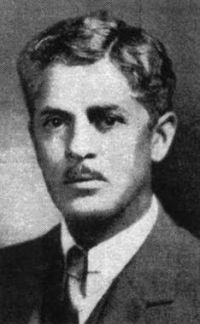
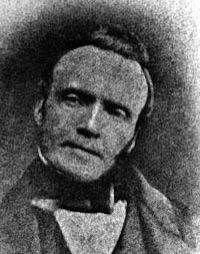
Portrait of Ernest Ingersoll Ernest Ingersoll,  Zoölogy: The Science of Animal Life

“ Who has not been amused at the labors of the big black beetles that one meets in summer on dusty paths rolling balls of fibrous material. These "dung beetles" are the American cousin of the scarab of the ancient Egyptians, which typified to them many mystical ideas connected with life, present and eternal. With its shovellike head and broad forelegs the beetle gathers and compacts the material it wants, and begins to roll it, sometimes with the help, more often against the struggles, of another beetle toward a prepared nest-hole. ”
Source: Gutenberg

Theodore Wood,  The Animal World, A Book of Natural History

“ This order contains many very well-known insects.
There is the cockroach, for example, which is so common and so mischievous in our houses. It is often called the black beetle, although it is not a beetle at all, and is not black, but dark reddish brown. It is remarkable for several reasons. One is that while the male has large wing-cases and broad, powerful wings, those of the female are very small indeed, so that she cannot possibly fly. And another is that the eggs are laid in a kind of horny purse, about a quarter of an inch long, with a sort of clasp on one side.
”
Source: Gutenberg

Get perspective with Kwize: daily news enlightened by great literature