Brown thrasher

Definition and stakes

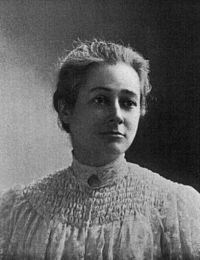
Alice Eliza Ball,  Bird Biographies

“ Like the catbird, the thrasher is found frequently in shrubbery, where it scratches among dead leaves for its food. Its brown color protects it admirably.
Nest: Made of twigs, leaves, and root-fibers, placed in thickets or on the ground.
Eggs: White, evenly speckled with fine brown spots.
Food: Wild fruit and berries (30 kinds) , and insects, especially beetles and caterpillars. Professor Beal says: “The farmer has nothing to fear from depredations on fruit or grain by the brown thrasher. The bird is a resident of groves and swamps rather than of orchards and gardens.”
”
Source: Gutenberg

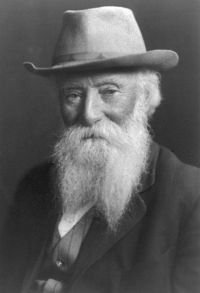
Portrait of Bradford Torrey Bradford Torrey,  Nature's invitation: Notes of a bird-gazer… (1904)

“ In the way of music, neither bird is equal to the brown thrasher of the East. In fact, if I am to be judge, one Massachusetts thrasher, in his cinnamon-colored suit (and in the top of a gray birch) , could outsing any half-dozen of the birds in this Arizona desert. It is to be said, however, that there is a third species here (not on the face of the desert itself, but in the thickets along the Rillito River) , the crissal thrasher so called, whose song I have yet to make sure of. He is larger even than the Palmer, and to look at him should have a fuller voice. ”
Source: Gutenberg

Neltje Blanchan,  Bird Neighbors

“ One of the shatterings of childish impressions that age too often brings is when we learn by the books that our "merry brown thrush" is no thrush at all, but a thrasher — first cousin to the wrens, in spite of his speckled breast, large size, and certain thrush-like instincts, such as never singing near the nest and shunning mankind in the nesting season, to mention only two. ”
Source: Gutenberg

Get perspective with Kwize: daily news enlightened by great literature