Cabinet (government)

Definition and stakes

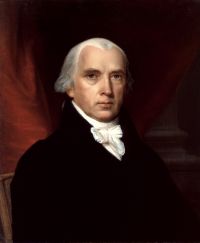
Portrait of Woodrow Wilson Woodrow Wilson,  Congressional Government

“ Cabinet government is a device for bringing the executive and legislative branches into harmony and coöperation without uniting or confusing their functions. It is as if the majority in the Commons deputized its leaders to act as the advisers of the Crown and the superintendents of the public business, in order that they might have the advantage of administrative knowledge and training in advising legislation and drafting laws to be submitted to parliament. ”
Source: Gutenberg

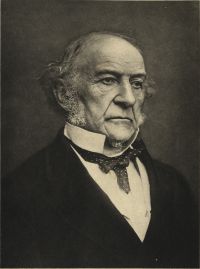
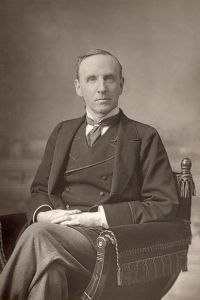
Portrait of Walter Bagehot Walter Bagehot,  The English Constitution (1894)

“ This critical opposition is the consequence of cabinet government The great scene of debate, the great engine of popular instruction and political controversy, is the legislative assembly. A speech there by an eminent statesman, a party movement by a great political combination, are the best means yet known for arousing, enlivening, and teaching a people. The cabinet system ensures such debates, for it makes them the means by which statesmen advertise themselves for future and confirm themselves in present governments. It brings forward men eager to speak, and gives them occasions to speak. ”
Source: Wikisource

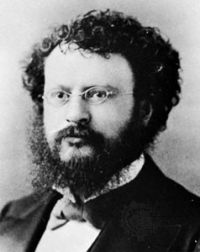
Portrait of Henry Adams Henry Adams,  The Life of Albert Gallatin

“ What, the head of the Treasury Department,—a vigorous and commanding statesman, a practical statesman, the benefit of whose wisdom and experience the nation fondly believes it always obtained before the great measures of the government are taken,—unacquainted with and unconsulted on important despatches,—and yet talk of a Cabinet! Not merely unconsulted, but ignorant of the documents.... I have no hesitation in saying, there is no Cabinet, when I see a man second to none for vigorous understanding and practical good sense ousted from it. ”
Source: Gutenberg

Get perspective with Kwize: daily news enlightened by great literature