Camel's milk

Definition and stakes

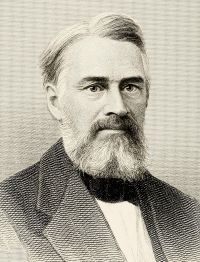
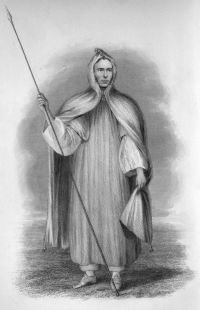
Portrait of Sir Richard Francis Burton Sir Richard Francis Burton,  First Footsteps in East Africa

“ The townspeople use camel's milk medicinally: according to the Bedouins, he who lives on this beverage, and eats the meat for forty-four consecutive days, acquires the animal's strength. It has perhaps less "body" than any other milk, and is deliciously sweet shortly after foaling: presently it loses flavour, and nothing can be more nauseous than the produce of an old camel. The Somal have a name for cream—"Laben"—but they make no use of the article, churning it with the rest of the milk. ”
Source: Gutenberg

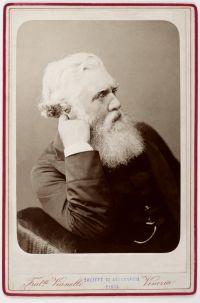
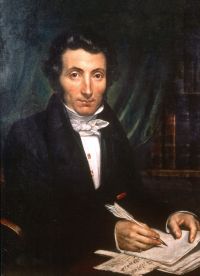
Portrait of René Caillié René Caillié,  Travels through Central Africa to Timbuctoo and across the Great Desert to Morocco performed in the year 1824-1828… (1830)

“ To distinguish themselves from the common people, the king and his nobles always drank camel’s milk, and said they preferred it; but I always suspected that their only motive was the difficulty of procuring it, which prevented the slaves from drinking it also; a sort of distinction of which they are jealous. I have seen the queen several times eat meat swimming in melted butter.
In the rainy season the Moors seldom take any other food than milk, which they have in abundance at that period of the year. The rich sometimes kill a sheep, but not often.
”
Source: Gutenberg

Various,  Encyclopaedia Britannica, 11th Edition…

“ The female carries her young for fully eleven months, and produces only one calf at a time, which she suckles for a year. Eight days after birth the young Arabian camel stands 3 ft. high, but does not reach its full growth till its sixteenth or seventeenth year; it lives from forty to fifty years. The flesh of the young camel resembles veal, and is a favourite food of the Arabs, while camel’s milk forms an excellent and highly nutritious beverage, although it does not furnish butter. ”
Source: Gutenberg

Get perspective with Kwize: daily news enlightened by great literature