Foal

Definition and stakes

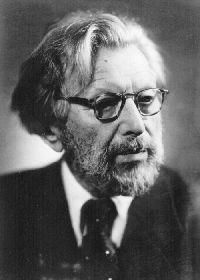
Friedrich Kluge,  An Etymological Dictionary of the German Language (1891)

“ Fohlen, neuter, ‘foal,’ from Middle High German vol, vole, Old High German folo, masculine, ‘colt, foal’; compare Gothic fula, masculine, ‘foal (of an ass) ,’ Old Icelandic fole, ‘foal’ (of a horse, rarely of an ass) , Anglo-Saxon fola, masculine, English foal; a term common to Teutonic for the young of a horse or an ass, derived from pre-Teutonic pelón-, Related by gradation to Greek πῶλος, ‘colt,’ as a general term ‘young animal,’ and Latin pullus, ‘the young,’ especially of fowls. See Füllen. ”
Source: Wikisource

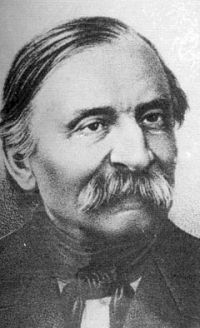
Portrait of János Kriza János Kriza,  The Folk-tales of the Magyars (1889)

“ Paul and his foal rode on half the afternoon, and then the foal said, "Look back, what can you see?" "I see the eagle again," said Paul, "but now the flame is twice seven fathoms long; he flies very quickly." "Let's turn over again," said the foal, "and I will become a lamb and you will be the shepherd, and if my father ask you if you have seen the travellers say yes, you saw them when the lamb was born." ”
Source: Wikisource

Racehorses in Australia (1922)

“ To pick up a good-looking brood mare, in foal or with foal at foot, for nothing, was a temptation impossible to be resisted by many with such a weakness, as they travelled on horseback through the wild, outback places, behind their mobs of cattle and droves of sheep. ”
Source: Gutenberg

Get perspective with Kwize: daily news enlightened by great literature