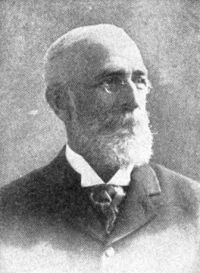
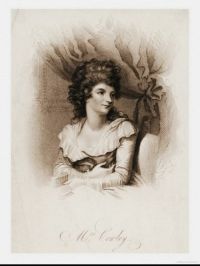
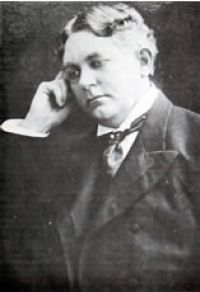
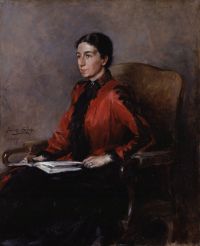
The charwoman, a figure central to domestic and literary discourse, embodies the intersection of labor, dignity, and societal expectation. From Harriet Beecher Stowe’s elevation of everyday tasks as patriotic acts to G. K. Chesterton’s contemplation of the quiet dignity of non-aristocratic women, authors have long examined her role as both a symbol of resilience and a lens for exploring gendered labor.
Whether through Radclyffe Hall’s vision of women as “fiercely virginal” forces shaping the future or Mabel Potter Daggett’s reflection on the sacred burden of creation, the charwoman emerges as a multifaceted archetype, bridging the practical and the poetic in literature’s evolving depiction of women’s contributions.
 Harriet Beecher Stowe,
Household Papers and Stories
Harriet Beecher Stowe,
Household Papers and Stories