Chinook wind

Definition and stakes

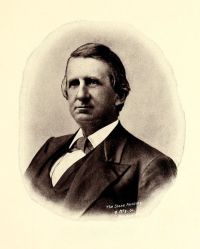
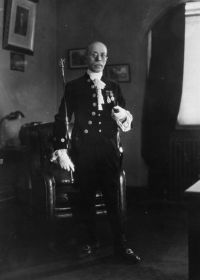
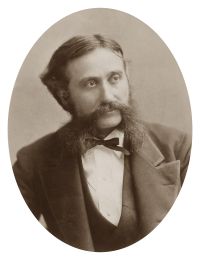
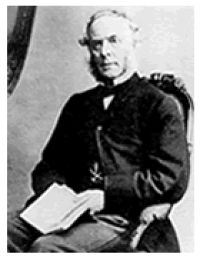
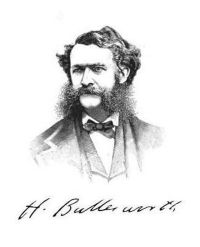
Portrait of Hezekiah Butterworth Hezekiah Butterworth,  The Log School-House on the Columbia

“ The Chinook winds were blowing coolly, coming from the Kuro Siwo, or placid ocean-river from Japan; odoriferous, as though spice-laden from the flowery isles of the Yellow Sea. Warm in winter, cool in summer, like the Gulf winds of Floridian shores, the good angel of the Puget Sea territories is the Chinook wind from far Asia, a mysterious country, of which the old chief and his family knew no more than of the blessed isles.
"It is a day of the Great Manitou," said the old chief. "He lights the sun, and lifts his wings for a shadow, and breathes on the earth. He fills our hearts with peace.
”
Source: Gutenberg

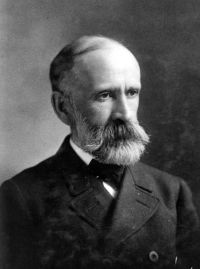
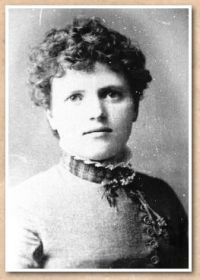
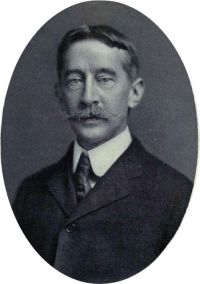
Portrait of William Denison Lyman William Denison Lyman,  The Columbia River: Its History… (1909)

“ Scarcely anything can be imagined in nature more picturesque and dramatic than this Chinook wind. The thermometer may be down nearly to zero, a foot of snow may rest like a pall on the earth, or a deadly fog may wrap the earth, when suddenly, as if by the breath of inspiration, the fog parts, the peaks of the mountains may be seen half stripped of snow, and then, roaring and whistling, the warm south wind comes like an army. ”
Source: Wikisource

Myths and Legends of British North America

“ But soon the chinook wind began to blow. The ice and snow melted. The people felt the cold no more. Then Fox said, “Henceforth the chinook wind shall no longer belong only to the Heat People of the south. Warm winds shall blow over the north and the rest of the world. They shall melt the snow and dry the earth. Only sometimes may they be followed by fire. Henceforth the Cold People shall not always rule the weather and plague the Indians with their icy winds.” ”
Source: Gutenberg

Get perspective with Kwize: daily news enlightened by great literature