Claret wine

Definition and stakes

A. V. Kirwan,  Host and Guest (1864)

“ It is a loaded wine made for the market, which every genuine lover of Claret should abhor. It was the custom in the first society of Bordeaux, and always at the prefecture, in the days of Baron d’Haussey, afterwards Minister of Marine to Charles X., to serve Claret with a tepid napkin round the claret-jug or decanter into which the wine was poured, or round the green glass bottle itself, if, as indeed it more frequently happened, the wine was not decanted. This gentle heat brings out advantageously the flavour and aroma of the wine. ”
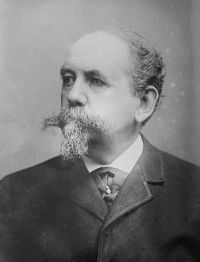
Source: Gutenberg

A. V. Kirwan,  Host and Guest (1864)

“ The wine is frequently tasted to know what state it is in, and the brandy is used accordingly. Care must, however, be taken never to put in much at a time, especially for wines intended for immediate sale, as such a mode of proceeding would destroy the flavour of the wine, and cause it to taste fiery. If a little be put in at a time, it is said to incorporate quickly with the wine, and to feed and mellow it. Among the London wine merchants the [350] custom is, if the Claret be faint and has lost its colour, to rack it into a fresh hogshead upon the lees of good Claret. ”
Source: Gutenberg

A. V. Kirwan,  Host and Guest (1864)

“ They are, without any manner of doubt, the most perfect wines that France produces. They keep perfectly, are improved by sea carriage, and may be freely exported to any part of the world. The original fermentation being usually very complete, they are less disposed to acidity, and are more wholesome than the wines of Burgundy. A great proportion of the wine, however, which is drunk as Claret, is but vin ordinaire, or the secondary wine of the country, for the prime growths fall far short of the demand which prevails for these wines all over the world. ”
Source: Gutenberg

Get perspective with Kwize: daily news enlightened by great literature