The collective unconscious, a foundational concept in Carl Jung’s analytical psychology, refers to a shared reservoir of innate symbols and archetypes that shape human experience across cultures and time periods. Jung argued that this transpersonal aspect of the psyche accounts for recurring themes in myths and dreams, maintaining that individuals are deeply influenced by inherited psychological patterns.
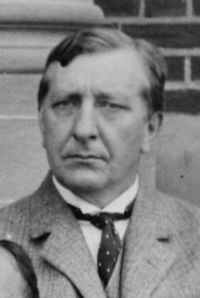
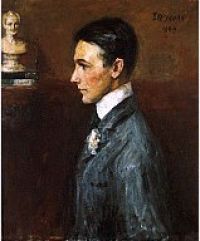
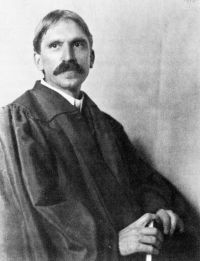
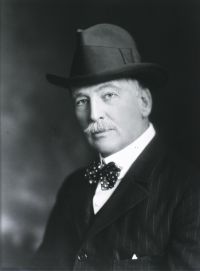
While Jung focused on archetypes as universal forms, scholars such as William McDougall examined collective consciousness as a social force that unites groups through common emotions and objectives, and Gustave Le Bon emphasized how crowd behavior erodes individual identity, merging it into an unconscious whole. Skeptics question its scientific credibility, yet its lasting significance lies in its investigation of how inherited and shared mental frameworks both limit and motivate human conduct, connecting personal and communal aspects of life.