Condensed milk

Definition and stakes

Portrait of Isabella Beeton Isabella Beeton,  Mrs. Beeton's Book of Household Management (1907)

“ The objection is the peculiar flavour that milk acquires in boiling, but this is not of consequence for many cooking purposes. The excessive sweetness is also objectionable, but unsweetened condensed milk may now be had. When the full milk is preserved it forms a valuable addition to our stock of foods, especially for infants and children, for whom a plentiful supply of good milk cannot be obtained. But, on the whole, condensed milk is less nutritive than the fresh article, from the fact that it is chiefly made of skimmed or separated milk, and in consequence is less rich in fats. ”
Source: Wikisource

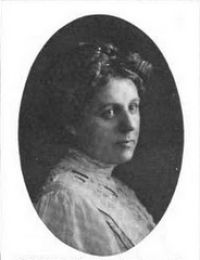
Portrait of Carolyn Conant Van Blarcom Carolyn Conant Van Blarcom,  Getting Ready to be a Mother (1922)

“ Condensed milk is evaporated milk to which cane sugar has been added to aid in its preservation. Since bacteria do not grow well in highly sweetened foods, it is not necessary to bring sweetened condensed milk to as high a temperature as the unsweetened product, to prevent subsequent bacterial decomposition. The high percentage of sugar in condensed milk quite obviously renders it unsuitable for continuous use as the sole article in a baby’s dietary. ”
Source: Gutenberg

Various,  Popular Science Monthly (1896)

“ The dry milk powders, including malted milk, are, from their nature, deficient in fats and contain a large excess of sugar, which is harmful because of the readiness with which it undergoes fermentation. As for the condensed milks, during a recent examination of the milk supply of London, seventeen brands were examined; fourteen of these were found to have been prepared entirely from skimmed milk, and showed an average of only 0·72 per cent of fat. Genuine full-cream brands of condensed milk contain from ten to twelve per cent of fat. ”
Source: Wikisource

Get perspective with Kwize: daily news enlightened by great literature