Corporate tax

Definition and stakes

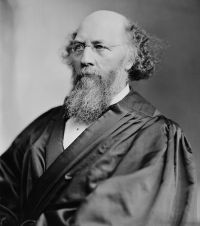
Flint v. Stone Tracy Company — Opinion of the Court

Conceding the power of Congress to tax the business activities of private corporations, including, as in this case, the privilege of carrying on business in a corporate capacity, the tax must be measured by some standard, and none can be chosen which will operate with absolute justice and equality upon all corporations. Some corporations do a large business upon a small amount of capital; others with a small business may have a large capital. A tax upon the amount of business done might operate as unequally as a measure of excise as it is alleged the measure of income from all sources does.
Source: Wikisource

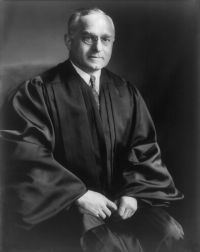
Frank Murphy Commissioner of Internal Revenue v…

The opinion of the Court stated our unanimous view of the basis of the rule: 'A basic principle of the income tax laws has long been that corporate earnings and profits should be taxed when they are distributed to the stockholders who own the distributing corporation. * * * Thus unless those earnings and profits accumulated by the predecessor corporations and undistributed in this reorganization are deemed to have been acquired by the successor corporation and taxable upon distribution by it, they would escape the taxation which Congress intended.
Source: Wikisource

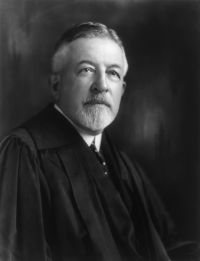
Portrait of Harlan F. Stone Harlan F. Stone Lawrence v. State Tax Commission of Mississippi…

Apart from other considerations which may have led to the present legislation as an integral part of the state system of taxation of the income of corporations, one which affords a rational basis for the distinction made, is the fact that the state has adopted generally a policy of avoiding double taxation of the same economic interest in corporate income, by taxing either the income of the corporation or the dividends of its stockholders, but not both.
Source: Wikisource

Get perspective with Kwize: daily news enlightened by great literature