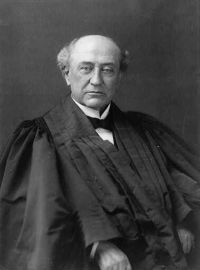
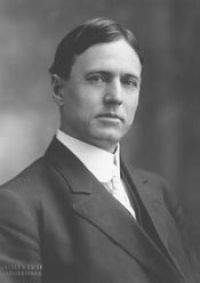
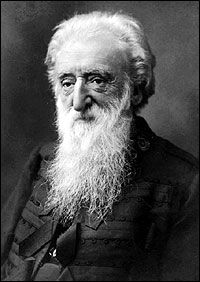
Criminal procedure refers to the legal framework that governs the handling of criminal cases, differing across jurisdictions but typically involving formal charges, trials, and outcomes such as conviction or acquittal. It functions through either adversarial or inquisitorial systems, emphasizing principles such as the presumption of innocence and the responsibility of the prosecution to prove guilt. Scholars like Enrico Ferri emphasized the importance of judicial sensitivity to sociological factors in criminal justice, while Simeon Eben Baldwin focused on protections for the accused and the role of public prosecutors.
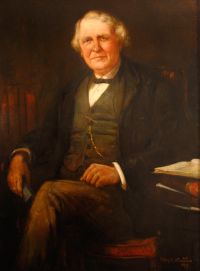
William Feilden Craies contrasted European systems, in which the state enforces the law, with England’s historical dependence on private remedies. These viewpoints highlight a conflict between state power and individual rights, illustrating broader differences in legal traditions. Ultimately, the theme demonstrates how the structure of legal procedures influences the balance between justice, control, and personal freedom.