The concept of "culprit" intertwines legal accountability, moral guilt, and narrative redemption, as seen in André Antoine’s 1917 silent film Le Coupable, which explores a magistrate’s hidden paternity and the tragic consequences of his avoidance of duty. This theme resonates beyond cinema, as authors like Augusta J. Evans challenge the stigma of guilt, while Hutton Webster reflects on historical justice systems that enforced confessions.
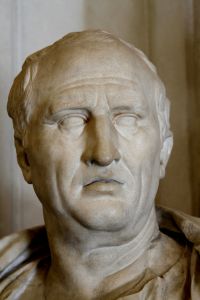
Nathaniel Hawthorne, in Twice-Told Tales, examines the psychological burden of unresolved transgressions, and Marcus Tullius Cicero’s legal speeches highlight the tension between proof and moral evaluation. These diverse viewpoints collectively reveal "culprit" as a multifaceted lens for examining human fallibility, legal frameworks, and the pursuit of redemption.