Deposit (finance)

Definition and stakes

Portrait of Frank A. Fetter Frank A. Fetter,  Economics Volume II: Modern Economic Problems

“ The process of discount and deposit is the purchase of the promissory note of a customer, [6] the price being a credit in the form of a demand deposit on the books of the bank. This—the central and most characteristic banking operation—has something of mystery in it at first view. The simplest idea of making a deposit is that of bringing to a bank window bags and rolls of money or other funds (credit papers such as checks and drafts, calling for the payment of money) . The bank in that case becomes the debtor and the depositor becomes the creditor of the bank. ”

Source: Gutenberg

Various,  Blackwood's Edinburgh Magazine…

“ But an operating deposit is a totally different matter, by which the circulation of the bank paper is promoted, and which acquires actual value from the frequency of its fluctuations. It is a system so easy in its working, that no householder in Scotland is without it; and for every shilling that he deposits in the bank, he receives regular interest, calculated from day to day, without any deduction or commission, at as high a rate as if he had left, for a stipulated period, a million of money unrecallable by him, to be employed in its trade by the bank. ”
Source: Gutenberg

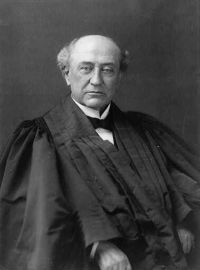
Portrait of William R. Day William R. Day,  New York County National Bank v…

“ As we have seen, a deposit of money to one's credit in a bank does not operate to diminish the estate of the depositor, for when he parts with the money he creates at the same time, on the part of the bank, an obligation to pay the amount of the deposit as soon as the depositor may see fit to draw a check against it. ”
Source: Wikisource

Get perspective with Kwize: daily news enlightened by great literature